
Andy Arnault
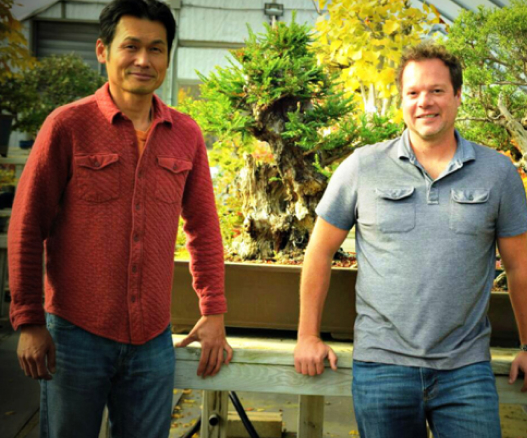
ANDREW ARNAULT was drawn to bonsai in 1995, when he responded to a Cape Cod Bonsai Club meeting notice, and subsequently took a workshop with Mike Novik at his bonsai nursery. He now cares for the 100+ trees in his collection. He is also a potter, a theatrical set designer, and retired contractor and building inspector. We're fortunately to have his wonderful handmade bonsai pots.
Not All Bonsai Are Created Equal – Here’s Why We’re Different
Since 1987, we’ve Grown, Imported, Styled, Boarded, Sold, and Taught the art of bonsai—experience the PREMIUM difference.
-
Rigorous Quality Control Meticulous inspections
guarantee top-tier quality.
-
Hand-Selected Excellence Curated globally, never
mass-produced. -
Decades of Expertise Mastering the art
of bonsai since 1987
-
Expertly Styled Premium bonsai soil, securely
anchored roots, ceramic pots
with optimal drainage. -
Exclusive Specimens Rare and unique trees
for discerning collectors.
-
Lush, Vibrant Foliage Radiates exceptional
health and care -
Dedicated Support Expert care guidance
with every purchase.
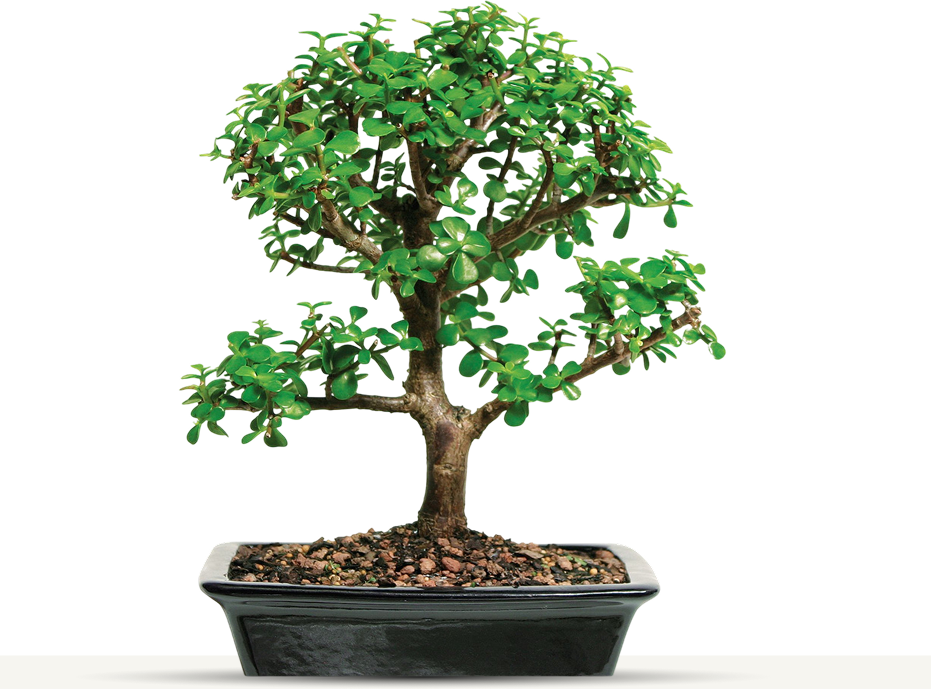
Bonsai: Living Masterpieces—Expertly Pruned, Styled, and Crafted to Embody Nature’s Elegance and Balance.
Customer Reviews & Success Stories

Great Service and Great Tree
Great Service and Great Tree Came quickly and was in great shape Reasonable prices for what i received
All is good. I now
All is good. I now have 6 bonsai. All are thriving. Everything you sent was quality. Thank you David
Bonsai is all we do Since 1987
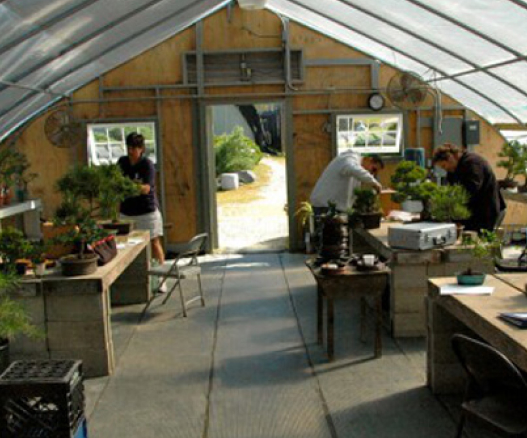
NEBG began life as a single rented greenhouse way back in 1987.
Today, it’s a sprawling eight-acre nursery in Bellingham, MA, complete with eight separate greenhouses and the largest Bonsai Tree & Supply collection on the East Coast.
30+
Years in business
4000+
Active members
1000's
of bonsai for sale
OLDEST
Bonsai on display in NE
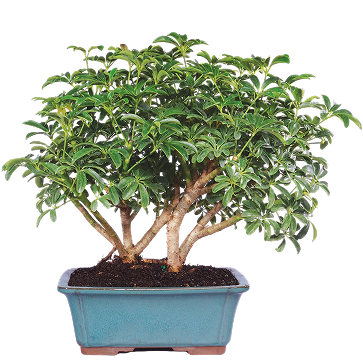
Contrary to popular belief, Bonsai Gardening isn’t difficult. Some trees are more less difficult than others, but there’s nothing to be intimated by.
We usually respond to this by telling people that it is possible to kill anything, but given that, here are a few helpful facts: If you are just starting out and planning on keeping your bonsai inside most of the time you need a tropical tree. A succulent, like Mini Jade is good to start with. Other good varieties include Arboricola, Brazilian Rain Tree and Chinese elm.
Unfortunately it is impossible to list the symptoms of either in a concise manner.
Very generally speaking, if the roots collapse from lack of water you are likely to see a ‘freeze dried’ look to the leaves or needles. This will happen quite soon after the roots get too dry. Usually within a day or matter of a few days.
Over watering usually takes longer and results in a slower decline but both should be avoided.
Trust your instincts and review your habits, and remember, trees are trees and will grow leaves and drop leaves ( or needles) naturally, so some seasonal dropping of foliage is normal.
No, you will need to transplant it. Usually every one to three years is the norm.
We usually respond to this by telling people that it is possible to kill anything, but given that, here are a few helpful facts: If you are just starting out and planning on keeping your bonsai inside most of the time you need a tropical tree. A succulent, like Mini Jade is good to start with. Other good varieties include Arboricola, Brazilian Rain Tree and Chinese elm.
What to Expect
Upon Arrival
-
Foliage Expectationt
Some bonsai species (like Chinese Elm) may shed leaves during transit – this is normal and healthy.
-
Tree Care Upon Arrival
Water your bonsai upon arrival and place it in a bright spot to help it acclimate.
-
Safe Packaging Process
Your tree is packaged securely with protective materials to prevent damage during transit.
-
Potential Transit Stress
Some bonsai may experience slight stress during transit; rest assured they will recover with proper care.