
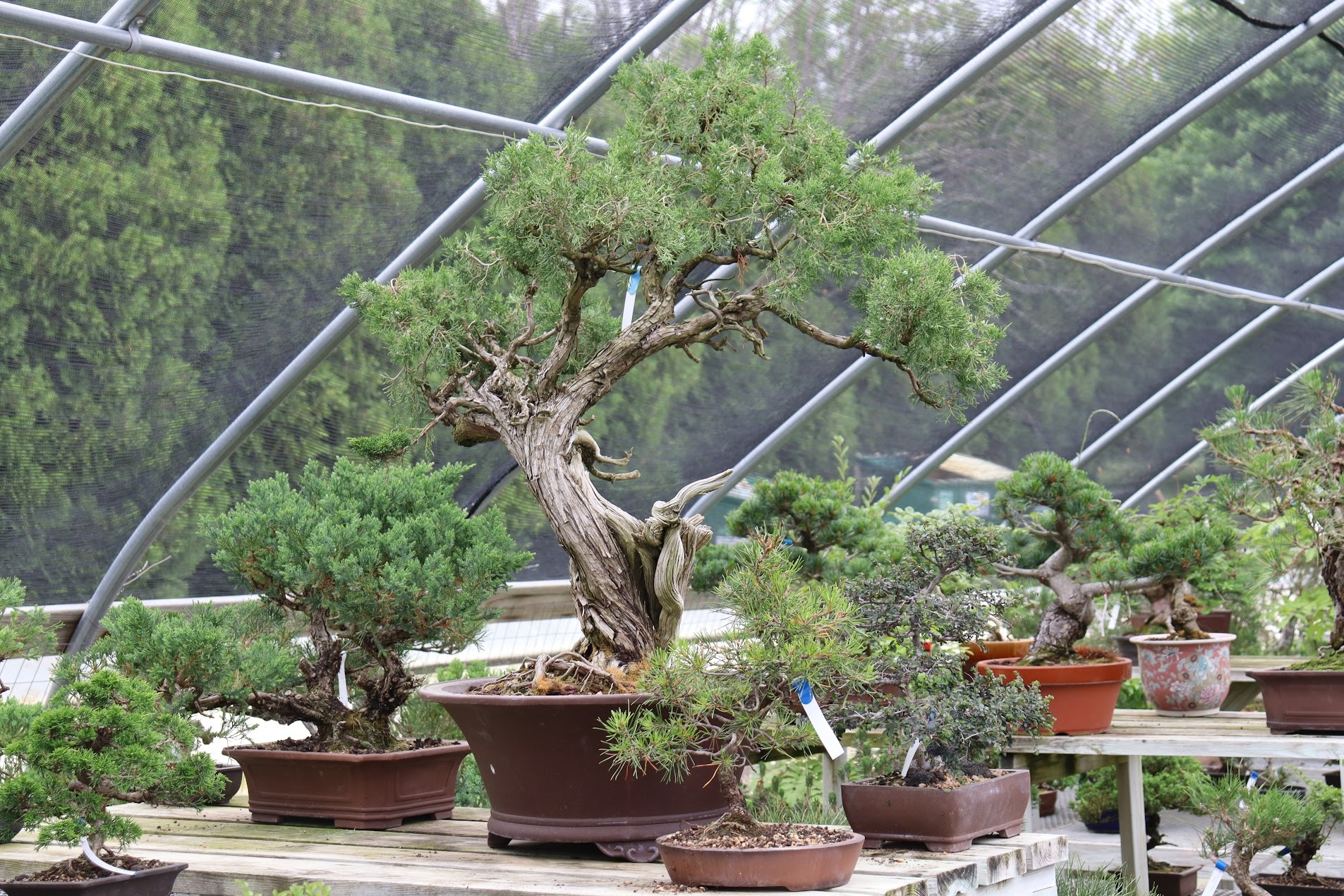
The Complete Bonsai Watering Guide
Master the single most important skill you'll develop as a bonsai grower.
Watering your bonsai is the single most important skill you'll develop as a grower. It's also the reason most beginners lose their first tree — not because watering is complicated, but because it looks deceptively simple. Get this right, and everything else follows.
Why Watering Matters More for Bonsai
Your bonsai lives in a small, shallow pot with limited soil. That means it can dry out fast — much faster than a houseplant in a deep container. Water also does more than quench thirst. It carries nutrients into the roots, delivers fresh oxygen, and flushes waste gases away from the root zone. When you water well, your tree thrives. When you water poorly — too much, too little, or inconsistently — you undermine everything else you're doing right.
The First Rule: Throw Out the Schedule
Watering on a fixed schedule is one of the most common mistakes new growers make. Every tree is different. Even two trees sitting side by side may dry at completely different rates depending on species, pot size, soil composition, and sun exposure. Water each tree based on what it actually needs — not because it's Tuesday.
Check the soil before every watering. Press your finger about a half inch into the soil. Notice whether it feels cool and moist, or warm and dry. Warm and dry soil is a reliable signal that it's time to water. You can also use a chopstick — insert it into the soil, and if it comes out dry, water. Another reliable method: lift the pot. A dry root ball feels noticeably lighter than a watered one. With practice, this becomes second nature.
Environmental Factors That Affect Drying
- • Species — some trees are thirstier than others.
- • Pot size and material — smaller pots dry faster; unglazed clay pots lose moisture through the walls.
- • Soil composition — coarser, well-draining soil dries more quickly than dense mixes.
- • Time of year — trees dry faster in summer, slower in winter.
- • Rate of growth — actively growing trees consume water more rapidly.
- • Wind — outdoor trees in breezy spots dry out surprisingly fast.
- • Sun and shade — direct sun accelerates evaporation significantly.
Understanding your specific setup is what separates a good bonsai grower from a great one.
How to Water: The Overhead Method
The overhead method is the standard approach for most bonsai growers.
- Use a watering can with a fine rose head or a hose with a gentle spray attachment. Point the rose head facing up — this produces an even, rain-like sprinkling that hydrates the soil without blasting it from the surface. The goal is an even, soft flow — not a blast that erodes the soil.
- Water across the entire soil surface slowly and evenly.
- Allow the water to soak in, then water again.
- Continue until water flows freely from the drainage holes at the bottom of the pot.
- Wait a moment, then water once more to make sure the entire root ball is fully saturated.
"Water three times — one for the pot, one for the soil, one for the tree."
— Traditional Japanese Teaching
Morning is the best time to water. It prepares the tree for the day and gives any excess moisture on the foliage and soil surface time to dry gradually. That said, if your tree is dry in the afternoon, water it. Don't wait until morning because of a rule.
How to Water: The Immersion Method
The immersion (dunking) method is especially effective for indoor bonsai and is the go-to rescue technique when a root ball has dried out significantly.
- Fill a bucket, sink, or basin with water.
- Lower the pot into the water until the water level reaches just below the rim of the pot, or only slightly into the soil mass. Keep water below the rim — if it rises too high, it can wash top dressing and soil away from the surface.
- Watch the bubbles rising from the root ball. Vigorous, boiling-like bubbles mean the soil was very dry. Slow, gentle bubbles mean the tree wasn't as thirsty. As the root ball absorbs water, the bubbling will slow and eventually stop.
- Once the bubbling stops or slows significantly, remove the pot and let it drain completely before returning it to its spot.
The immersion method gives you useful feedback every time: the more enthusiastic the bubbles, the more water your tree needed. Over time, you'll learn to read this like a gauge.
Note: While some growers use immersion as their primary method, it works best as a reliable rescue technique — particularly when the soil has become compacted or difficult to re-wet with overhead watering alone.
A Note on Misting
Misting the leaves does not count as watering. It raises humidity around your tree for a short time — and for tropical species in dry indoor environments, that's worth something — but it does not deliver enough moisture to the root ball to substitute for proper watering. If your indoor tree needs consistent humidity, a humidity tray filled with pebbles and water (with the pot resting above the waterline) is a much more effective solution. Water the soil — not just the leaves.
Water Quality
In most cases, regular tap water is perfectly fine for bonsai. If your water is suitable for drinking, it's suitable for your tree.
- 1 Hard water: If you notice white mineral deposits building up on the pot or soil surface, your tap water is high in mineral salts. Occasionally watering with collected rainwater or filtered water helps flush those salts out and keeps the root zone healthy.
- 2 Highly chlorinated water: If your tap water is heavily chlorinated, you can let it sit in an open container overnight before using it. Many growers do this as a precaution, though most bonsai handle tap water without issue.
Watering When You Travel
Short trips are generally manageable — a thorough watering before you leave may carry your tree through a brief absence, depending on the species and season.
For longer trips, the best solution is a reliable person who can actually observe the tree and respond to its needs. Automatic drippers and watering devices can help as a backup, but they can't replace someone who can feel the soil, adjust for weather, and catch problems early. If you plan to use an automated system, test it before you leave — not the morning of your departure.
Common Watering Mistakes
Building Your Instincts
There's no shortcut here. The more often you check your trees — feeling the soil, lifting the pots, watching the foliage — the better your judgment becomes. Good watering is built through observation and consistency, not through following a chart. Give it a season and it becomes intuitive.
Your bonsai is counting on you. And with a little practice, this part of the relationship becomes one of the most satisfying.
Frequently Asked Questions
How often should I water my bonsai?
There is no single watering schedule that works for every bonsai. Watering frequency depends on the species, pot size, soil mix, temperature, airflow, light, humidity, and season.
Bonsai can dry out quickly because they are usually planted in shallow containers with coarse, fast-draining soil. Rather than watering on a set schedule, check the soil regularly and water when the tree needs it.
How do I know when my bonsai needs water?
The best way to tell is to check the soil. Insert your finger slightly below the surface. If the soil feels just slightly dry, it is usually time to water. If it still feels wet, wait and check again later.
With experience, you may also learn to judge moisture by the look of the soil, the weight of the pot, and the appearance of the foliage. Some species, such as succulent bonsai like Dwarf Jade, generally prefer to dry more between waterings than many tropical or deciduous bonsai.
How should I water my bonsai?
Water thoroughly so the entire root ball is soaked. A proper watering should continue until water runs out of the drainage holes.
The most common method is overhead watering with a watering can or hose fitted with a gentle, fine spray. Avoid a harsh stream that can dislodge soil or disturb the surface of the pot. When watering from above, apply water evenly across the soil surface, allow it to soak in, and continue until the root ball is fully saturated and water drains freely from the bottom of the pot.
If your tree is very dry or the soil has become difficult to re-wet, you can also use the immersion method. Place the pot in a basin of water so the water level rises to just below the rim of the pot, or only slightly into the soil mass if needed. Let the root ball soak until bubbling slows or stops, then remove the tree and allow it to drain well.
Immersion can be helpful when a root ball has dried out too much, but it is generally best used as an occasional rescue technique rather than your only watering method.
Should I water all my bonsai at the same time?
Usually not. Even trees sitting next to one another may dry at different rates depending on species, pot size, soil, and exposure. Water each tree based on its actual moisture needs, not because the others were watered.
What time of day should I water my bonsai?
Morning is often ideal because it gives the tree moisture for the day ahead and allows excess moisture on foliage and soil surfaces to dry gradually. That said, if your bonsai needs water later in the day, do not wait simply because it is not morning.
During hot weather, you may need to check trees more than once a day. The most important rule is not the clock, but whether the tree actually needs water.
Can I use regular tap water?
In most cases, yes. If your tap water is suitable for people to drink, it is usually acceptable for bonsai. If you have very hard water and notice mineral buildup on the pot or soil surface, occasional watering with collected rainwater or filtered water can help flush excess salts.
If your tap water is heavily chlorinated, letting it sit overnight before use may help, though many growers successfully use tap water without doing this.
Do I need to mist my bonsai?
Misting is not a substitute for watering. It may briefly freshen foliage and slightly raise humidity around the tree for a short time, but it does not properly water the root ball.
For many indoor bonsai, improving ambient humidity is more useful than frequent misting. A humidity tray filled with pebbles and water can help raise humidity immediately around the tree while also catching excess drainage. The pot should sit above the water line, not directly in standing water.
Do I need a special bonsai watering can?
No, but a quality watering can can make the job easier and gentler on the soil surface. A long spout and fine rose help distribute water more evenly and reduce the chance of washing soil out of the pot.
For many bonsai growers, a proper watering can is one of the most useful tools on the bench.
How do I water my bonsai when I go on vacation?
If you are leaving for only a short time, your tree may be fine with a careful watering before you go, depending on the species and conditions. For longer trips, the best solution is to have a reliable person check and water your bonsai while you are away.
Automatic drippers and similar devices can help in some situations, but they are not a perfect substitute for a person who can evaluate the tree and adjust as needed.
If you plan to test a vacation-watering method, try it before your trip so you can see how your bonsai responds under your normal growing conditions.
Ready to water like a pro?
Explore our collection of fine-spray watering cans and moisture meters designed specifically for the delicate needs of bonsai care.
Shop Watering Tools