
John Romano
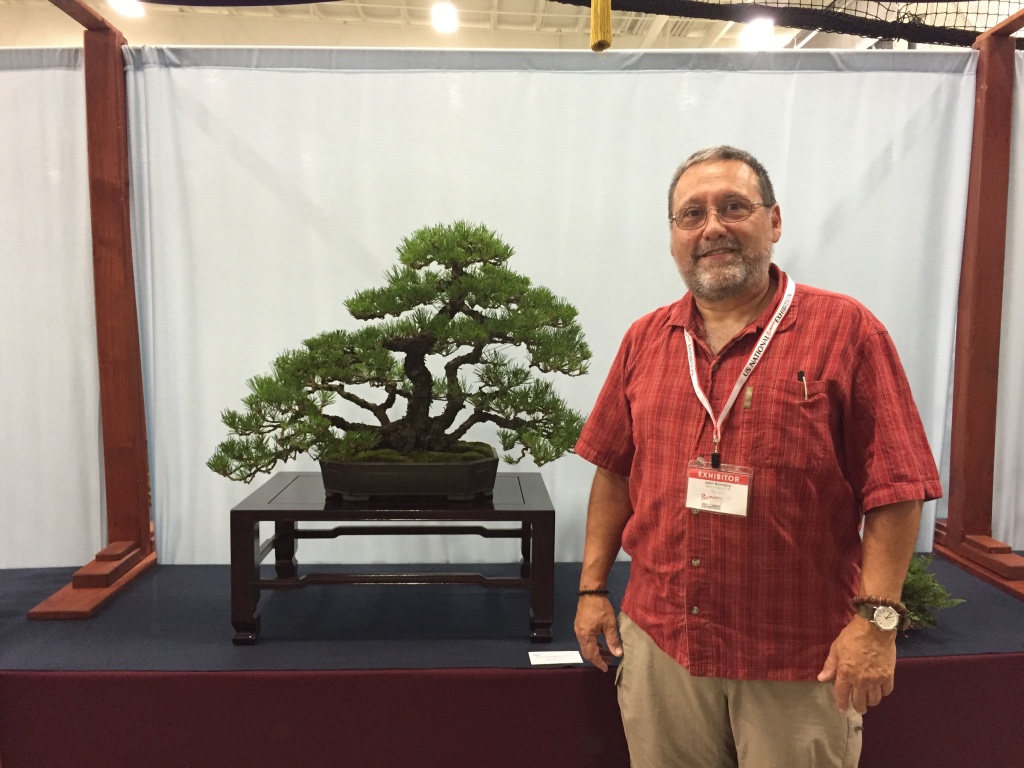
Founder and lead instructor of the Kaikou School of Bonsai, John has spent decades helping students understand not only how to perform bonsai techniques, but why and when to use them, with a particular passion for shohin and mame bonsai.
Enthusiastic, engaging, and highly interactive
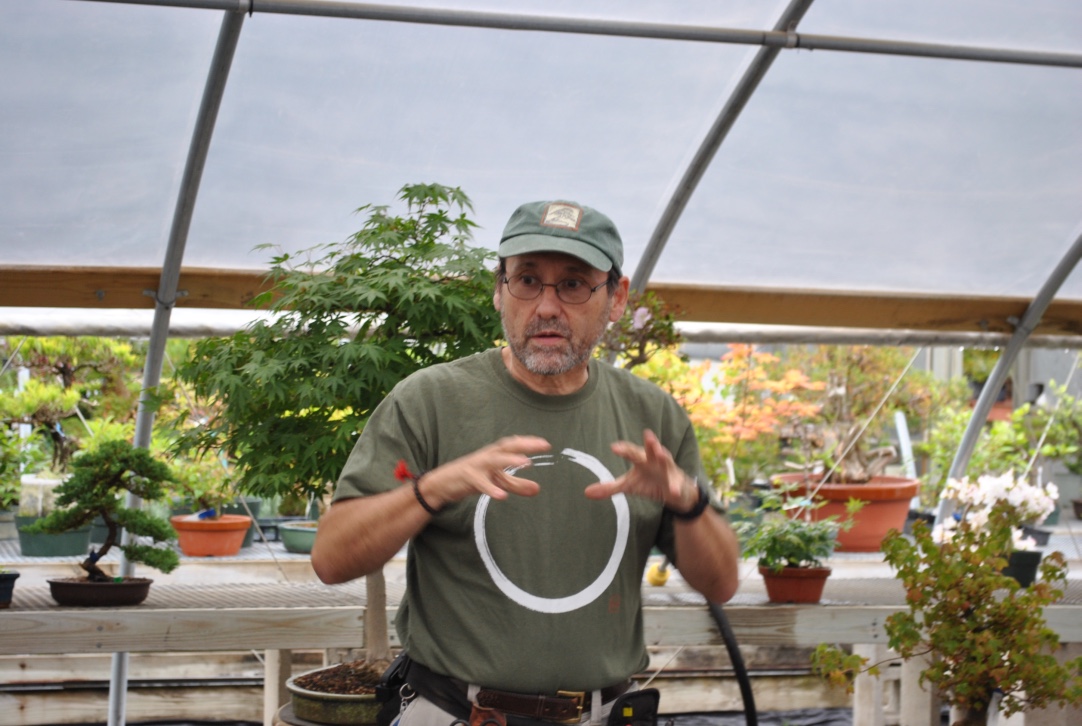
John enjoys teaching every aspect of bonsai, from beginner fundamentals to advanced design and refinement. He encourages questions, explains the reasoning behind each technique, and believes that the exchange between instructor and student helps everyone continue learning.
“I love interacting with students. I share what I’ve learned, but I also learn a great deal through that interaction.”
John Romano
What John teaches
Three trees close to his heart
Decades of study, teaching, and exhibition
John’s bonsai career includes decades of study, teaching, demonstrations, exhibitions, and recognized work with shohin bonsai. His approach combines traditional bonsai principles with practical, understandable instruction that students can apply to their own trees.
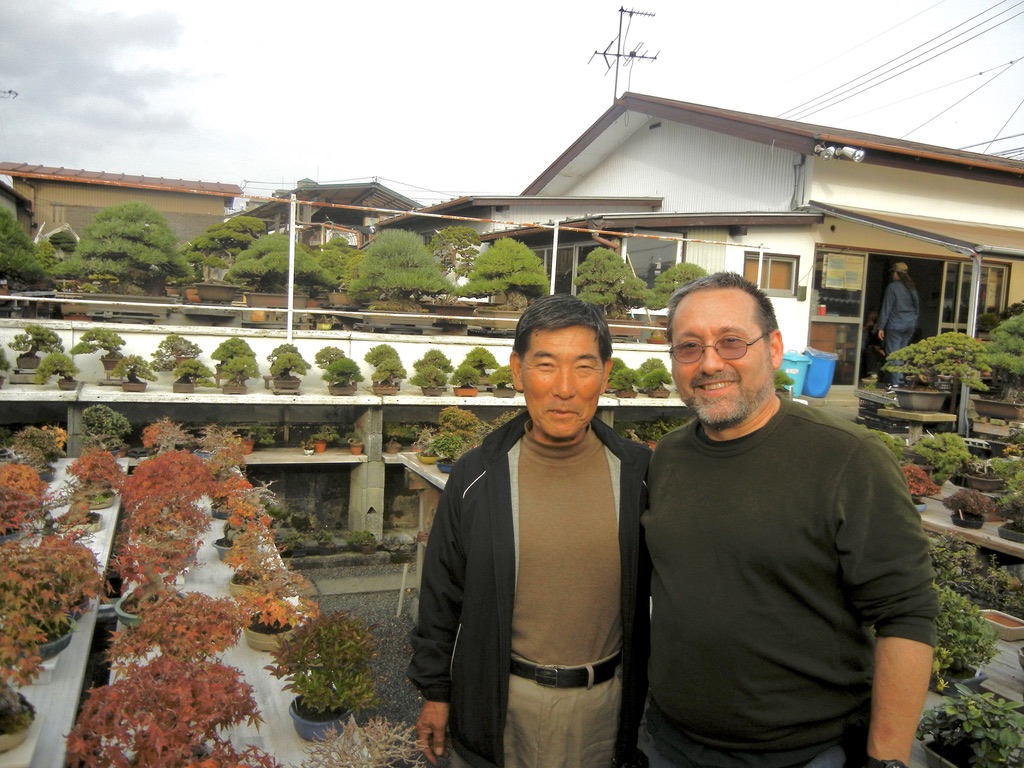
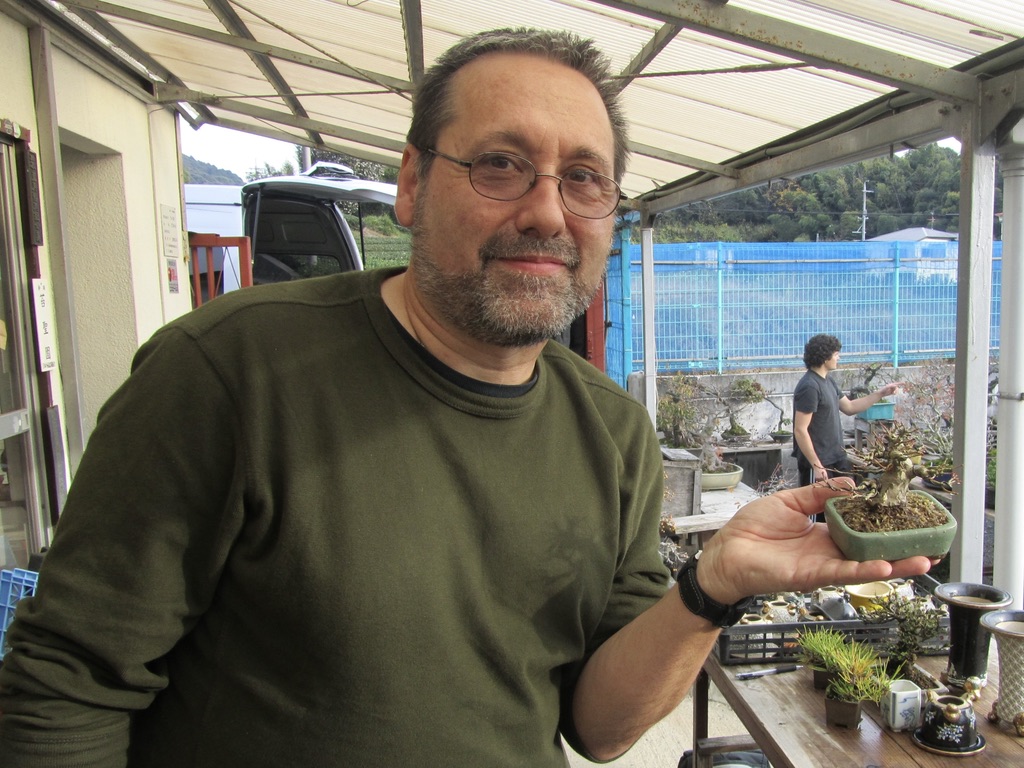
His study has taken him to nurseries and gardens in Japan, where the shohin tradition he loves is at its richest.
Leave with a tree, and a plan for it
Honest guidance, clear explanations, hands-on instruction, and plenty of conversation. John’s goal is not simply to complete a tree during a workshop, but to help each student better understand how to continue developing it after they leave.