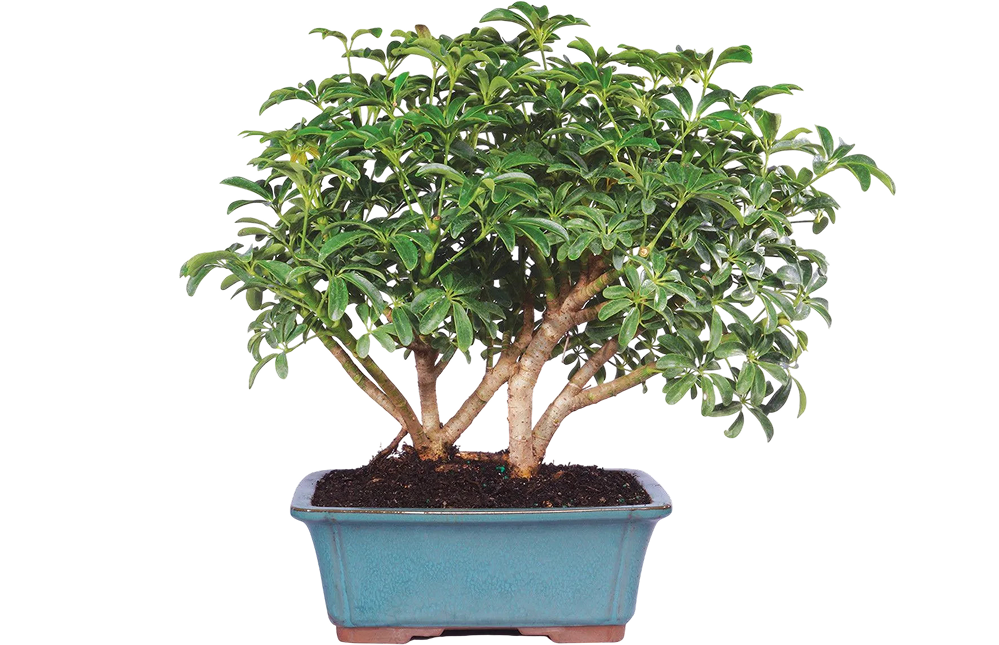



1986 Seed-Grown Japanese Black Pine Bonsai in a Yamaaki Pot
Due to California agricultural restrictions, this tree cannot be shipped to California. These restrictions are imposed by the State of California and apply to many growers shipping plants from regulated areas.
This is the exact tree and Yamaaki pot shown in the photographs.
This is the kind of Japanese Black Pine that Peter would normally keep on the bench and continue developing. It was started from seed in 1986 by Gerald Rainville in Canada and has the heavy trunk, old bark and strong base you would expect from that history.
Peter Olson has been working on the branch structure and bringing the tree into a compact design. At only 12 inches from the table to the apex, it has a lot of trunk packed into a small space. The low branches, established interior growth and multiple buds give the next owner plenty to work with as the canopy becomes more refined.
The tree was moved into this 9.5-inch Yamaaki Tokoname pot in early 2026. The quiet shape and natural clay color fit the pine well without competing with the trunk. The maker’s marks and signature on the underside of the pot are shown in the final photograph.
This tree will only be available for a limited period. If it does not sell, we will remove it from the website so Peter can continue developing it over the winter.
Tree Details
- Common Name: Japanese Black Pine
- Botanical Name: Pinus thunbergii
- Origin: Seed grown in Canada by Gerald Rainville
- Started: 1986
- Developed By: Peter Olson
- Height: Approximately 12 inches from the table to the apex
- Spread: Approximately 11 inches
- Pot: Approximately 9.5-inch Yamaaki Tokoname bonsai pot
- Repotted: Early 2026
- Ships From: Massachusetts
- Photographed: September 29, 2026
- Availability: One of a kind. You will receive the exact tree and pot shown.
Development Notes
The primary structure is in place, but this pine still has room to improve. Continued needle management, branch selection and careful wiring will help tighten the silhouette and build more defined foliage pads. The existing wire should be monitored and removed before it begins marking the branches.
Japanese Black Pine Care
Keep Japanese Black Pine outdoors in full sun with good airflow. Water thoroughly when the soil begins to approach dryness and allow excess water to drain freely. Because the tree was repotted in early 2026, future root work should be timed carefully and only performed when the tree is growing strongly.
Shipping Confidence
This tree ships from our Massachusetts nursery. The Yamaaki pot will be firmly secured, and the trunk, branches, needles and soil will be protected for transit.
Photography Note
Photographed September 29, 2026. Needles, buds and overall fullness will change as the tree moves through its seasonal growth cycle and receives additional refinement.
Please Note
This is a living bonsai and will continue to change over time. Minor needle loss during packing and shipping is normal.
All trees are sold as-is. All sales are final. No refunds, returns or exchanges. Once the tree leaves our nursery, its care is your responsibility. Have questions? Just reach out. We’re happy to help.
We ship thousands of bonsai trees and supplies each year, and every order is packed with care by our team. Live trees are watered, secured, and packaged to help them arrive safely and ready for their new home.
Live bonsai trees generally ship early in the week, Monday and Tuesday, to reduce time in transit. Tools, pots, soil, fertilizer, and other non-living items usually ship throughout the week.
Bonsai Outlet is a licensed nursery, not just a warehouse. We follow the proper inspection and certification requirements for shipping live plants across state lines. When a state requires additional documentation, such as a nematode certificate or nursery inspection certificate, we work to ensure the proper requirements are met before shipping.
For complete shipping and return details, please visit: Shipping & Returns