
Bonsai Trees for Sale
Looking for a bonsai tree that arrives healthy and actually keeps growing? Every tree on this page is grown and hand-selected at our own nursery, not pulled off a warehouse shelf and drop shipped. We're a working bonsai nursery with 8 greenhouses in Bellingham, Massachusetts, plus a Florida operation growing tropicals year round, and we've been at this since 1987.
Not sure where to start? Here's the short version:
- New to bonsai? Start with our beginner bonsai trees, chosen because they forgive early mistakes.
- Shopping for a gift? Our bonsai gift ideas are ready to give.
- Building a collection? Browse specimen and collector trees.
Every tree ships hand-packed by people who grow bonsai themselves.
How to choose your first bonsai tree
Three questions get you to the right tree faster than scrolling through the whole catalog.
Where will it live? This matters more than species, size, or price, and it's where most first-time buyers go wrong. Most bonsai are outdoor trees that need real seasons to stay healthy. A smaller group of tropical and subtropical species genuinely thrive indoors. Pick the group that matches your space before you fall in love with a photo.
How much time do you want to spend? Bonsai care is usually five minutes a day, not an hour. But that five minutes is close to non-negotiable in summer, when a small pot can dry out in a single hot afternoon. If you travel often, a jade or a ficus will forgive you far more than a maple will.
What are you hoping to do with it? Some people want a finished tree that already looks like a bonsai. Others want raw material to shape themselves. Both are here, and they're different purchases. A styled tree arrives looking like the photo. Pre-bonsai and nursery stock arrives as potential.
Indoor or outdoor: the decision that matters most
Outdoor trees include junipers, maples, pines, and most other traditional bonsai species. They need to feel the seasons change, including a genuine cold dormancy in winter. Kept inside year round, they weaken over a few months and usually don't recover. In exchange, you get the seasonal drama that makes bonsai worth doing: spring flush, fall color, bare winter silhouettes.
Indoor trees are tropical and subtropical species that never evolved to handle frost. Ficus, jade, Chinese elm, and fukien tea all do well in a bright window. These are the right choice for apartments, offices, and anyone in a cold climate who wants a tree they can actually watch every day.
Browse indoor bonsai trees or outdoor bonsai trees once you've decided.
What a real bonsai tree costs
This is the question we get most, and the honest answer is that the range is wide because the trees are genuinely different.
- Around $30 to $95 buys a young starter tree, usually a few years old, in a basic pot. A great first tree and a great gift.
- Around $95 to $300 is where most of our catalog sits. These trees have had several years of shaping, so they read as bonsai the moment you unbox them.
- $300 to $700 buys age, trunk thickness, and refinement. The trunk is the expensive part, and it's the part that takes the longest to grow.
- $700 and up is specimen territory: decades of development, individually photographed, one of a kind.
What you're really paying for is time. A thick, characterful trunk can't be rushed, which is why a 20 year old tree costs many times what a 3 year old tree costs even when they're the same species.
Why nursery-grown matters
Plenty of sites sell bonsai without ever touching one. The tree ships from a third-party warehouse, and if it arrives stressed, nobody on either end knows why.
We grow and finish our trees ourselves. That means we know each tree's history, we can tell you honestly whether a species suits your climate and experience level, and we pack every order in-house. If something looks wrong when it arrives, send us photos and we'll walk you through it before you make any changes to the tree.
What arrives at your door
Your tree ships potted, secured, and packed to travel. Expect some travel stress: a few dropped or yellowed leaves in the first week is normal and not a sign you've done anything wrong. Give the tree bright, protected light, check the top half inch of soil for water, and let it settle for a week or two before pruning, repotting, or fertilizing.
New to this? Our bonsai care guides cover watering, light, repotting, and seasonal care in plain English.
Bonsai tree questions, answered
How much do real bonsai trees cost?
Real bonsai start around $30 for a young starter tree and run past $5,000 for mature specimen trees. Most fall between $95 and $300, which buys a tree with several years of shaping already done. Price tracks age and trunk development more than size, because a thick, characterful trunk takes years to grow and can't be rushed.
Are bonsai trees difficult to care for?
They're less difficult than most people expect, but they are less forgiving about one thing: water. A bonsai lives in a small pot with fast-draining soil, so it can dry out in a day during summer heat. Beyond daily watering checks, care is mostly seasonal. Pick a species suited to your space and climate and the rest gets much easier.
What is the average lifespan of a bonsai tree?
A well-cared-for bonsai can outlive the person who started it. Bonsai aren't a special short-lived plant, they're ordinary tree species kept small through pruning and root work, so they carry the natural lifespan of their species. Some famous collected bonsai in Japan are several hundred years old and still in training.
How much is a 20 year old bonsai tree worth?
It depends far more on trunk quality and training than on age alone. A 20 year old tree that's been shaped well by someone who knew what they were doing might run $500 to $2,000. The same age tree left to grow untrained is worth a fraction of that. Age creates the raw material; skilled training creates the value.
Are bonsai trees hard to keep alive?
The two things that kill most first bonsai are keeping an outdoor species indoors and inconsistent watering. Get those right and your odds improve dramatically. Start with a species matched to where you'll keep it, check the soil daily in warm weather, and ask us before making any big changes to a tree that looks unhappy.
Can I keep a bonsai tree indoors?
Some species, yes. Ficus, jade, Chinese elm, and other tropicals do well in a bright window year round. Junipers, maples, and pines do not. They need seasonal change and a cold winter dormancy, and they decline if kept inside. Check our indoor bonsai trees for the species that genuinely work inside.
Bonsai people, not a warehouse.
Family-owned roots going back to 1987. We grow, style, pack, and ship from our own nursery: 8 greenhouses in Bellingham, Massachusetts, plus a Florida operation for year-round tropicals. Every tree is hand-selected and backed by our 100% guarantee. Questions after your tree arrives? Send photos. We answer them ourselves.
Visit us in Bellingham for hands-on workshops nearly every weekend. All skill levels welcome. More about us on who we are.
Not All Bonsai Are Created Equal – Here’s Why We’re Different
Since 1987, we’ve Grown, Imported, Styled, Boarded, Sold, and Taught the art of bonsai. Experience the PREMIUM difference.
-
Rigorous Quality Control Meticulous inspections
guarantee top-tier quality.
-
Hand-Selected Excellence Curated globally, never
mass-produced. -
Decades of Expertise Mastering the art
of bonsai since 1987
-
Expertly Styled Premium bonsai soil, securely
anchored roots, ceramic pots
with optimal drainage. -
Exclusive Specimens Rare and unique trees
for discerning collectors.
-
Lush, Vibrant Foliage Radiates exceptional
health and care -
Dedicated Support Expert care guidance
with every purchase.
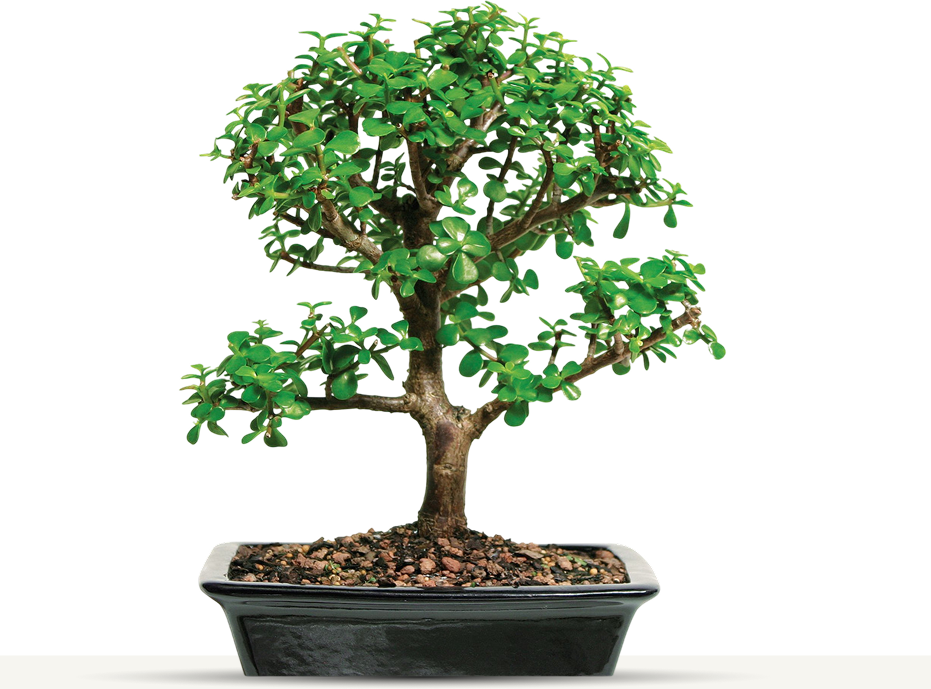
Bonsai: Living Masterpieces, Expertly Pruned, Styled, and Crafted to Embody Nature’s Elegance and Balance.
Customer Reviews & Success Stories

Great Service and Great Tree
Great Service and Great Tree Came quickly and was in great shape Reasonable prices for what i received
All is good. I now
All is good. I now have 6 bonsai. All are thriving. Everything you sent was quality. Thank you David
Bonsai is all we do Since 1987
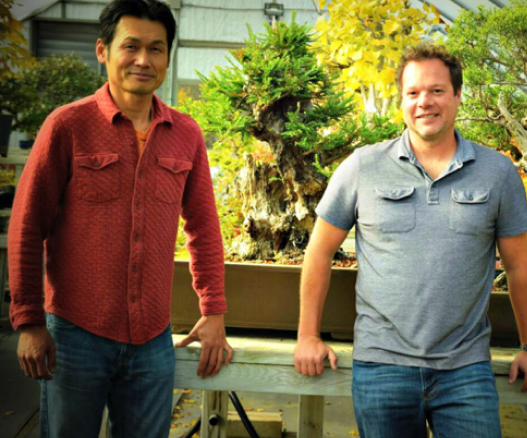
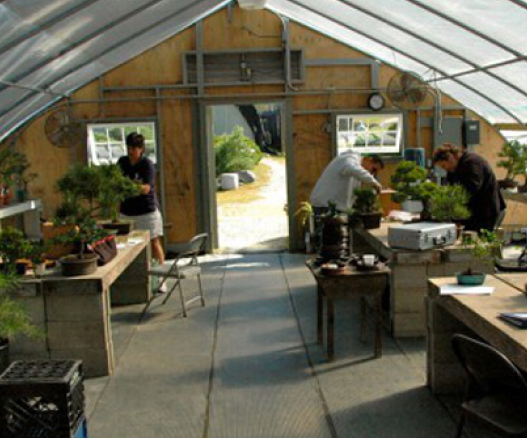
NEBG began life as a single rented greenhouse way back in 1987.
Today, it’s a sprawling eight-acre nursery in Bellingham, MA, complete with eight separate greenhouses and the largest Bonsai Tree & Supply collection on the East Coast.
30+
Years in business
4000+
Active members
1000's
of bonsai for sale
OLDEST
Bonsai on display in NE
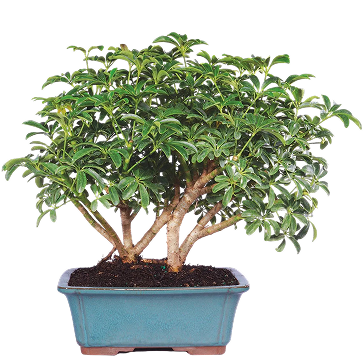
Contrary to popular belief, Bonsai Gardening isn’t difficult. Some trees are more less difficult than others, but there’s nothing to be intimated by.
We usually respond to this by telling people that it is possible to kill anything, but given that, here are a few helpful facts: If you are just starting out and planning on keeping your bonsai inside most of the time you need a tropical tree. A succulent, like Mini Jade is good to start with. Other good varieties include Arboricola, Brazilian Rain Tree and Chinese elm.
Unfortunately it is impossible to list the symptoms of either in a concise manner.
Very generally speaking, if the roots collapse from lack of water you are likely to see a ‘freeze dried’ look to the leaves or needles. This will happen quite soon after the roots get too dry. Usually within a day or matter of a few days.
Over watering usually takes longer and results in a slower decline but both should be avoided.
Trust your instincts and review your habits, and remember, trees are trees and will grow leaves and drop leaves ( or needles) naturally, so some seasonal dropping of foliage is normal.
No, you will need to transplant it. Usually every one to three years is the norm.
We usually respond to this by telling people that it is possible to kill anything, but given that, here are a few helpful facts: If you are just starting out and planning on keeping your bonsai inside most of the time you need a tropical tree. A succulent, like Mini Jade is good to start with. Other good varieties include Arboricola, Brazilian Rain Tree and Chinese elm.
What to Expect
Upon Arrival
-
Foliage Expectationt
Some bonsai species (like Chinese Elm) may shed leaves during transit – this is normal and healthy.
-
Tree Care Upon Arrival
Water your bonsai upon arrival and place it in a bright spot to help it acclimate.
-
Safe Packaging Process
Your tree is packaged securely with protective materials to prevent damage during transit.
-
Potential Transit Stress
Some bonsai may experience slight stress during transit; rest assured they will recover with proper care.